How does an automatic watch work?
A self-winding, or automatic watch, is a mechanical watch powered by the natural movements of the person wearing it.
Its mechanism includes an oscillating weight that spins with each wrist movement and transfers energy to the heart of the watch. This clever system ensures continuous power as long as the watch is worn regularly.
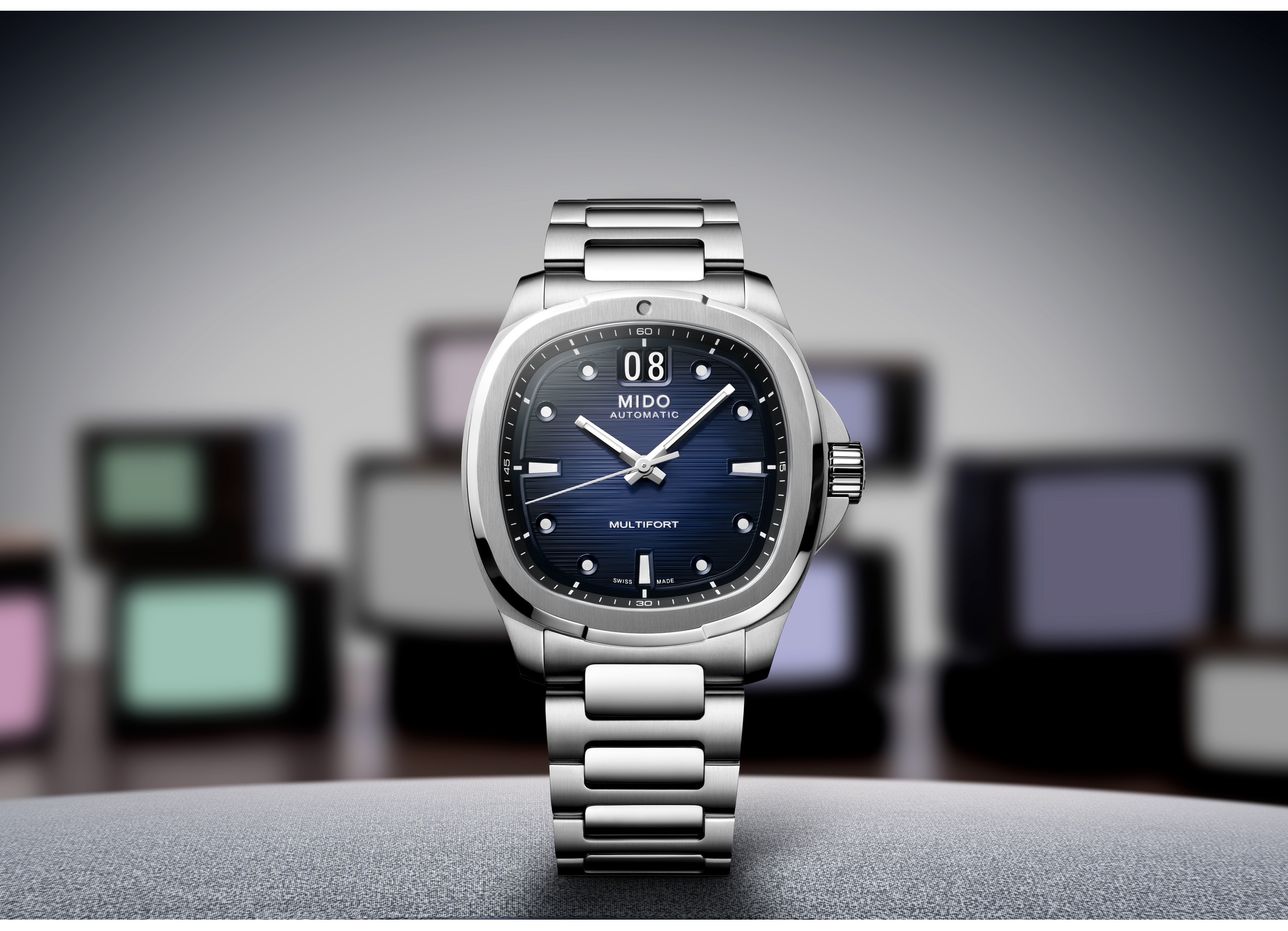
An automatic watch operates through a mechanism that harnesses kinetic energy generated by wrist movements.
At the core of this system is the oscillating weight, usually made of steel and shaped like a half-disc. Under the influence of gravity, it moves freely inside the case when the watch is worn.
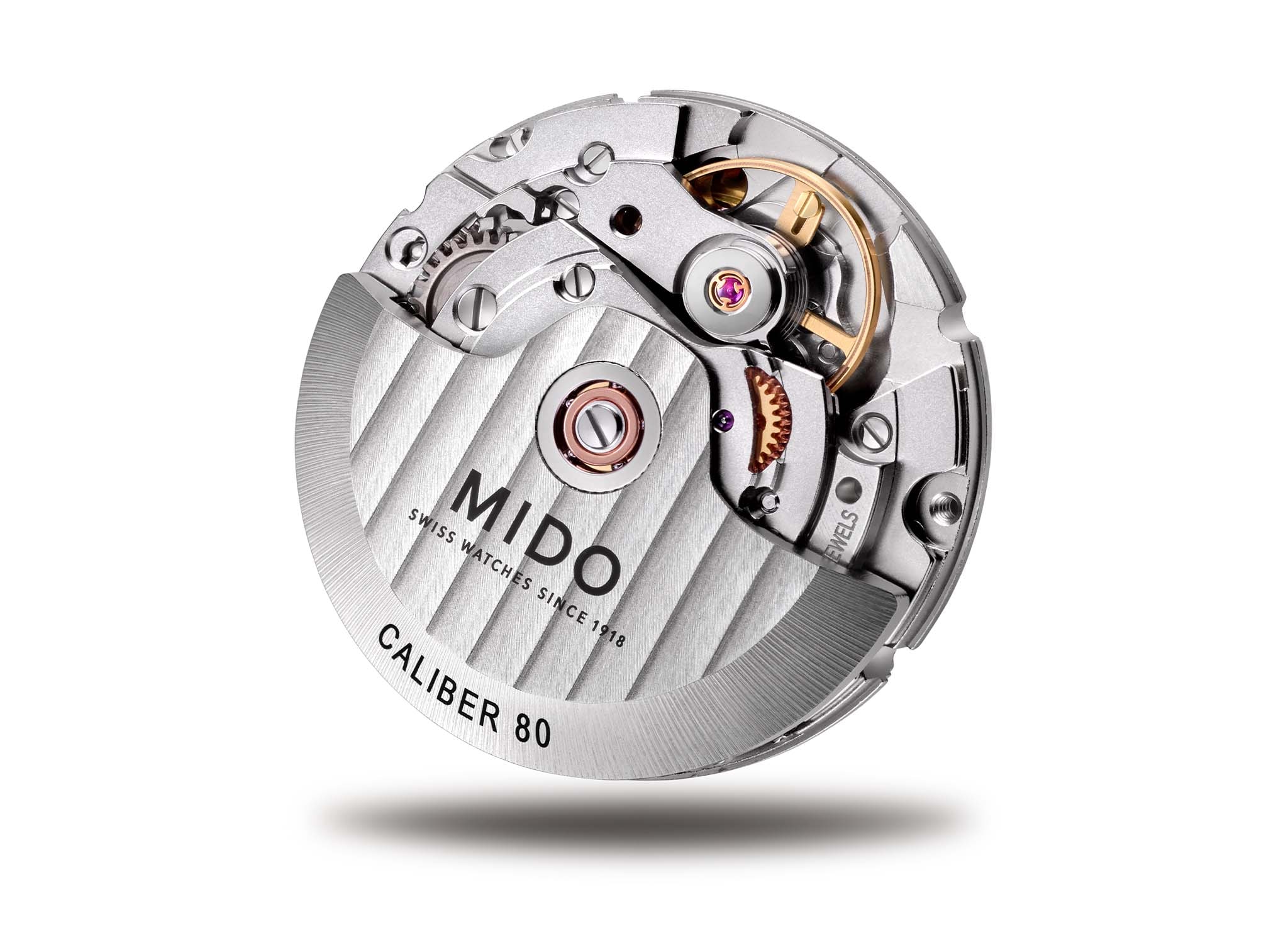
This motion drives a set of gears that winds the mainspring in the barrel, thereby storing mechanical energy.
The energy stored in the spring is then released to power the gears and operate the watch. This process drives various movement components, such as the gear train, escapement, and balance wheel.
The power reserve of an automatic watch refers to the amount of time it can run without being worn or manually wound.
How to wind an automatic watch?
Your watch may stop running if you don’t wear it for several days. To restart the mechanism, you can choose one of the following methods:
- Manual winding by following these steps:
- Remove the watch from your wrist to avoid damaging the crown stem during the operation.
- Make sure the crown is pushed in (neutral position or position 1). If your watch has a screw-down crown, unlock it first.
- Gently turn the crown about 30 times clockwise. It’s normal to feel slight resistance as the spring winds.
- If your crown is screw-down, re-tighten it and then wear your watch.
- Natural winding by gently shaking your watch for a few seconds to reactivate the mechanism. Then wear it to keep the spring tension and ensure continuous operation.
- Automatic winding with a watch winder. This device keeps your watch running when it’s not being worn. A favorite among collectors, it’s ideal for keeping your timepiece in motion.
It’s important to note that, unlike a manual watch, an automatic watch doesn’t need daily winding. It’s designed to recharge with wrist movements.
What are the advantages of an automatic watch?
That’s a legitimate question, especially given the wide variety of watches available today. Between automatic, manual, quartz, and the recently introduced smartwatches, the choice can be overwhelming.
Here are three advantages that, in our opinion, make the automatic watch the ideal timepiece:
- Tradition and craftsmanship: Each watch is assembled with respect for a time-honored expertise.
- Durability: Automatic watches are built to last. Made with high-quality materials, they can run for a lifetime if properly maintained.
- Technology: No battery needed—the watch runs entirely on mechanical energy.
Your choice should be based on your preferences and needs. Regardless of the watch technology you choose, it will always tell time in its own unique way.
MIDO Automatic Watches
At MIDO, we’ve been crafting Swiss automatic watches since 1918 based on cutting-edge technology and unique craftsmanship. Equipped with renowned automatic movements known for their excellence, MIDO ensures strict adherence to Swiss watchmaking tradition. We also use premium-quality materials to guarantee excellent durability.